Dancing with Robots: The Messy Ethics of Our AI Future
The machines aren’t just coming—they’re already here, quietly rewriting the rules of our world. From mind-blowing breakthroughs to ethical puzzles that keep you up at night, AI is the strange force driving us into a future we barely understand. Buckle up, because navigating this wild, unpredictable terrain is no longer optional—it’s survival.
Understanding AI: A Beginner’s Guide
At its core, AI is about creating machines that can perform tasks typically requiring human intelligence. Think of it as teaching computers to think and learn. Imagine you’re teaching a child to recognise animals. You show them pictures, tell them the names, and eventually, they can identify animals on their own. AI works similarly, but on a much larger scale.
AI systems use vast amounts of data to learn patterns and make decisions. For example, when you ask your phone’s voice assistant a question, it uses AI to understand your words, search for information, and formulate a response – all in seconds.
But AI isn’t just about clever phone apps. It’s being used in healthcare to spot diseases earlier, in finance to detect fraud, and even in agriculture to optimise crop yields. The potential applications are vast and growing daily.
The Current State of AI: Breakthroughs and Limitations
Recent years have seen remarkable AI advancements. AlphaFold, developed by DeepMind, has made groundbreaking progress in predicting protein structures, potentially revolutionising drug discovery and our understanding of diseases.
In the realm of language, large language models like GPT-3 have demonstrated an uncanny ability to generate human-like text, raising both excitement and concerns about the future of writing and communication.
However, it’s crucial to understand AI’s current limitations. While AI can process and analyse data at superhuman speeds, it lacks true understanding or consciousness. It can make impressive predictions based on patterns in data, but it doesn’t “think” in the way humans do.
Moreover, AI systems are only as good as the data they’re trained on. Biased or incomplete data can lead to biased or flawed outputs, a significant concern as AI is increasingly used in decision-making processes.
Ethical Considerations in AI Development
As AI becomes more integrated into our lives, ethical considerations are paramount. One major concern is privacy. AI systems often require vast amounts of data to function effectively. How do we balance the benefits of AI with the need to protect individual privacy?
Another critical issue is bias in AI systems. If an AI is trained on biased data, it can perpetuate or even amplify those biases. For instance, an AI system used in hiring might discriminate against certain groups if it’s trained on historical data that reflects past discriminatory practices.
Transparency and explainability are also crucial. As AI systems make more important decisions, we need to ensure these decisions can be explained and understood. This is particularly important in areas like healthcare or criminal justice, where AI decisions can have profound impacts on people’s lives.
At Social Gains, we’re keenly aware of these ethical considerations. Our community is committed to exploring AI tools and automations that not only boost efficiency but also uphold ethical standards.
The Impact of AI on Employment
One of the most hotly debated topics surrounding AI is its impact on jobs. While AI has the potential to automate many tasks, potentially displacing some workers, it’s also likely to create new jobs and industries.
A report by the World Economic Forum suggests that while 85 million jobs may be displaced by AI and automation by 2025, 97 million new roles may emerge that are more adapted to the new division of labour between humans, machines and algorithms.
The key lies in adaptation and education. As AI takes over more routine tasks, human workers will need to focus on skills that AI can’t easily replicate – creativity, emotional intelligence, complex problem-solving, and interpersonal skills.
Businesses and educational institutions need to prioritise lifelong learning and reskilling programs to ensure workers can adapt to this changing landscape. At Social Gains, we’re seeing firsthand how businesses are leveraging AI to enhance productivity while also investing in their human workforce.
AI and Creativity: A New Frontier
One of the most fascinating developments in AI is its increasing ability to engage in creative tasks. AI systems are now writing poetry, composing music, and even creating visual art.
For instance, DALL-E 2, developed by OpenAI, can create realistic images and art from text descriptions. This raises intriguing questions about the nature of creativity and the role of AI in creative industries.
While some fear AI might replace human artists, others see it as a powerful tool that can enhance human creativity. AI could handle more routine aspects of creative work, freeing humans to focus on higher-level creative thinking.
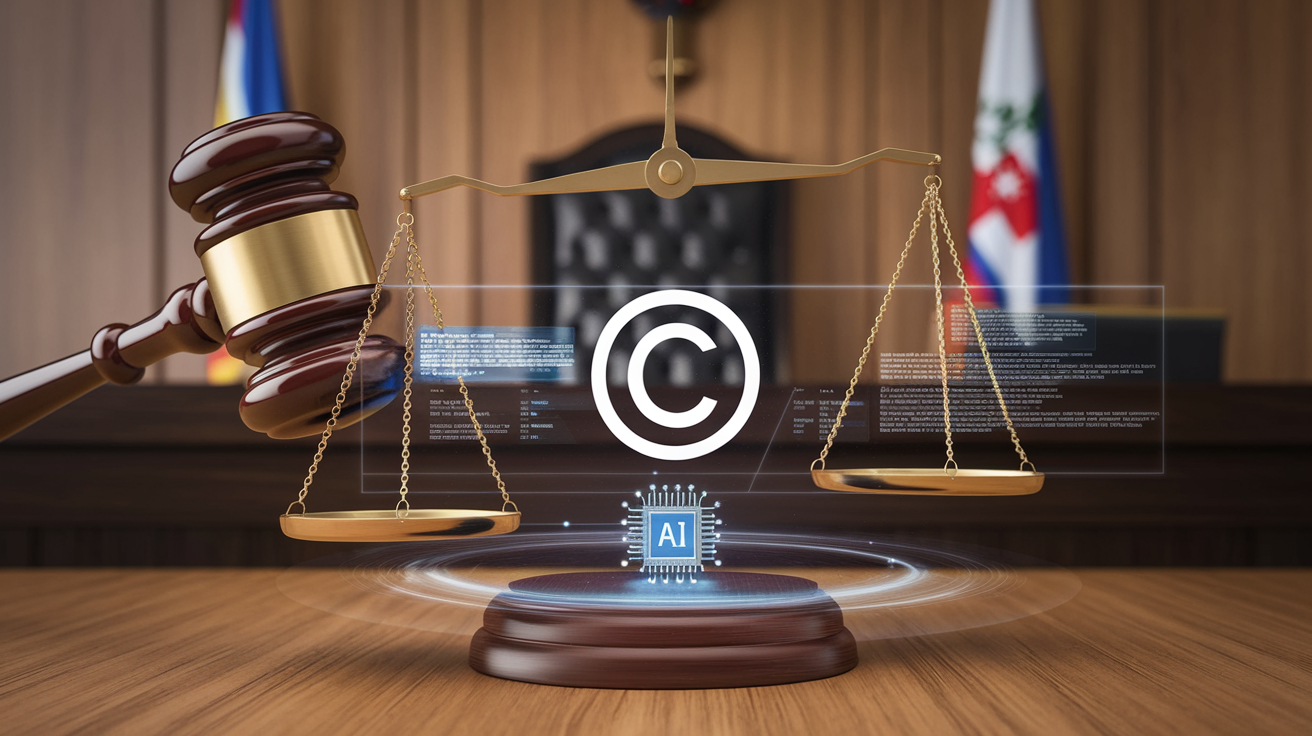
However, this also raises new ethical and legal questions. Who owns the copyright on AI-generated art? How do we ensure AI doesn’t inadvertently plagiarise existing works? These are complex issues that will need to be addressed as AI continues to evolve.
The Future of AI: Potential Scenarios
Looking ahead, the potential trajectories for AI development are both exciting and daunting. One possibility is the development of Artificial General Intelligence (AGI) – AI systems that can perform any intellectual task that a human can. While we’re still far from achieving AGI, its potential implications are profound.
Another area of focus is AI in robotics. As AI systems become more sophisticated, we could see robots capable of performing complex physical tasks, potentially revolutionising industries from manufacturing to healthcare.
AI could also play a crucial role in addressing global challenges. From climate change modelling to optimising resource distribution, AI could be a powerful tool in creating a more sustainable and equitable world.
However, these advancements also come with risks. The potential for AI systems to be used maliciously – in cyber attacks or the creation of deepfakes, for instance – is a serious concern that will require robust safeguards and regulations.
Preparing for an AI-Driven Future
As we move towards an increasingly AI-driven future, preparation is key. At an individual level, this means staying informed about AI developments and continuously updating our skills to remain relevant in a changing job market.
For businesses, it means thoughtfully integrating AI into operations while also investing in human capital. It’s not about replacing humans with AI, but finding the right balance where each enhances the other.
At a societal level, we need to have ongoing discussions about the ethical implications of AI and establish frameworks for its responsible development and use. This includes addressing issues of bias, ensuring transparency, and protecting individual privacy.
Education systems will need to evolve to equip students with the skills needed in an AI-driven world. This goes beyond just technical skills – critical thinking, creativity, and emotional intelligence will be more important than ever.
At Social Gains, we’re committed to helping businesses navigate this AI-driven landscape. Our community focuses on practical, ethical AI solutions that deliver real results, helping businesses stay ahead of the curve without losing sight of what truly matters.
Conclusion: Embracing AI Responsibly
The future of AI is not a far-off concept – it’s unfolding right now, reshaping industries, society, and our daily lives. While the challenges are significant, so too are the opportunities.
By approaching AI development with a focus on ethics, transparency, and human-centric design, we can harness its power to create a better world. This means ongoing dialogue between technologists, policymakers, ethicists, and the public to ensure AI serves the greater good.
As we stand on the brink of this new era, one thing is clear: the future of AI will be shaped by the choices we make today. Let’s choose wisely, embracing the potential of AI while safeguarding our values and humanity.