The Rise of AI in Content Creation: Transforming the Digital Landscape
Artificial Intelligence (AI) is reshaping how we produce, consume, and interact with content online. From social media posts to long-form articles, AI tools are becoming increasingly sophisticated, offering new possibilities for creators and marketers alike. But what does this mean for the future of content creation? Let’s dig in.
Understanding AI in Content Creation: A Beginner’s Guide
For those new to the concept, AI in content creation refers to the use of intelligent computer systems to generate, edit, or enhance various forms of content. This can include written text, images, videos, and even interactive experiences. These AI systems learn from vast amounts of data to mimic human-like outputs, often with impressive accuracy.
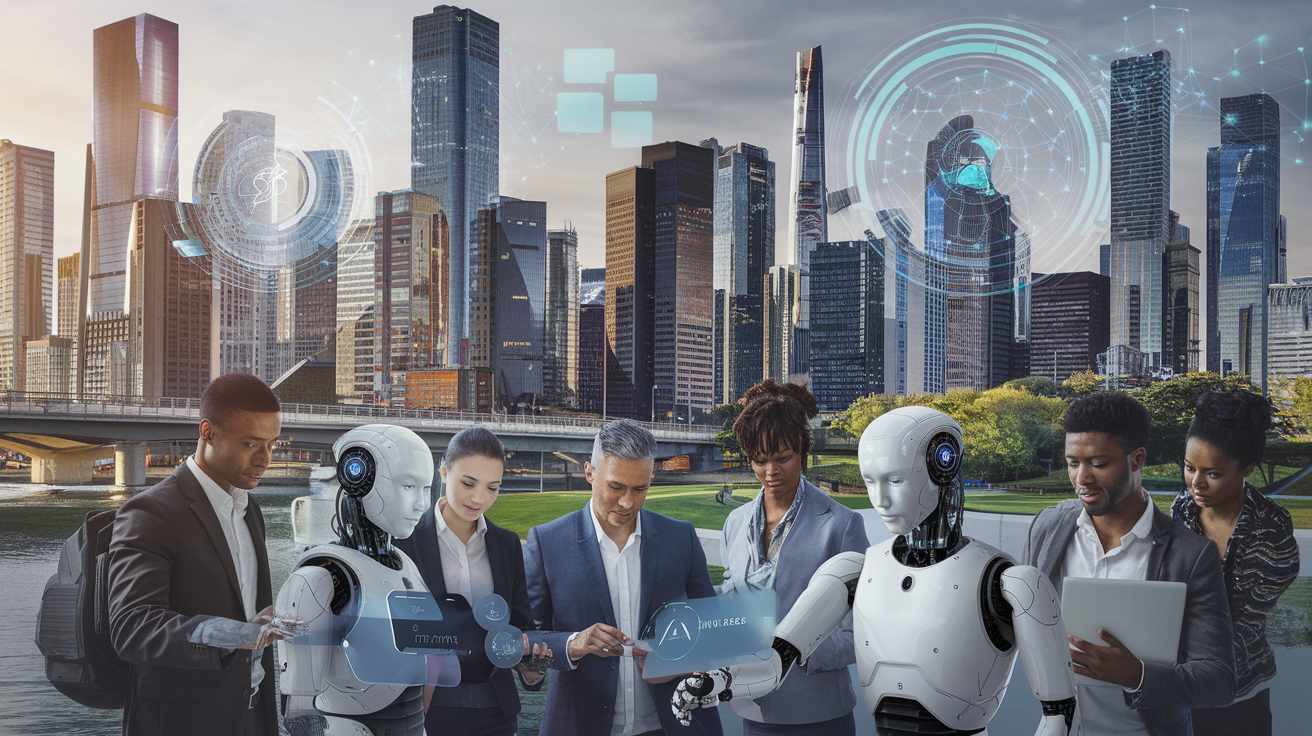
Imagine having a tireless assistant who can write drafts, suggest ideas, or even create entire pieces of content based on your instructions. That’s essentially what AI content tools offer. They’re not replacing human creativity, but rather augmenting it, allowing creators to work more efficiently and explore new creative avenues.
The Current State of AI Content Creation
AI content creation tools have come a long way in recent years. They’re now capable of producing coherent, contextually relevant content across various formats. Here’s a look at some key areas where AI is making waves:
Text Generation
AI-powered text generators can now produce articles, social media posts, and even creative writing pieces. Tools like GPT-3 have shown remarkable ability to generate human-like text. However, they still require human oversight to ensure accuracy and appropriateness.
Image Creation
AI image generators like DALL-E and Midjourney can create stunning visuals from text descriptions. This technology is opening up new possibilities for graphic design, illustration, and visual content creation.
Video Production
While still in its early stages, AI is beginning to impact video production. From generating script ideas to automating editing processes, AI tools are streamlining video creation workflows.
The Benefits of AI in Content Creation
The integration of AI into content creation processes offers several significant advantages:
Increased Efficiency
AI tools can dramatically speed up content production. They can generate initial drafts, suggest improvements, and even handle routine tasks like formatting and proofreading. This allows human creators to focus on higher-level strategy and creative direction.
Enhanced Personalisation
AI can analyse user data to create highly personalised content experiences. This level of customisation was previously impractical at scale, but AI makes it possible to tailor content to individual preferences and behaviours.
Improved Content Quality
While AI-generated content still requires human oversight, these tools can help improve overall content quality. They can suggest better word choices, ensure consistency in tone and style, and even flag potential factual errors.
24/7 Content Production
Unlike human creators, AI doesn’t need sleep. This means content can be generated around the clock, allowing businesses to maintain a consistent content schedule across different time zones.
Challenges and Limitations of AI Content Creation
Despite its potential, AI content creation isn’t without its challenges:
Lack of True Understanding
While AI can produce coherent content, it doesn’t truly understand the meaning behind the words. This can lead to factual errors or inappropriate content if not properly monitored.
Ethical Concerns
The use of AI in content creation raises ethical questions. Issues like copyright infringement, misinformation, and the potential displacement of human creators are ongoing concerns.
Quality Control
AI-generated content still requires human oversight to ensure quality and relevance. Striking the right balance between AI assistance and human creativity remains a challenge.
The Future of AI in Content Creation
As AI technology continues to advance, we can expect to see even more sophisticated content creation tools emerge. Here are some potential developments on the horizon:
More Natural Language Processing
Future AI systems will likely have an even better grasp of natural language, producing content that’s increasingly indistinguishable from human-written text.
Enhanced Multimodal Capabilities
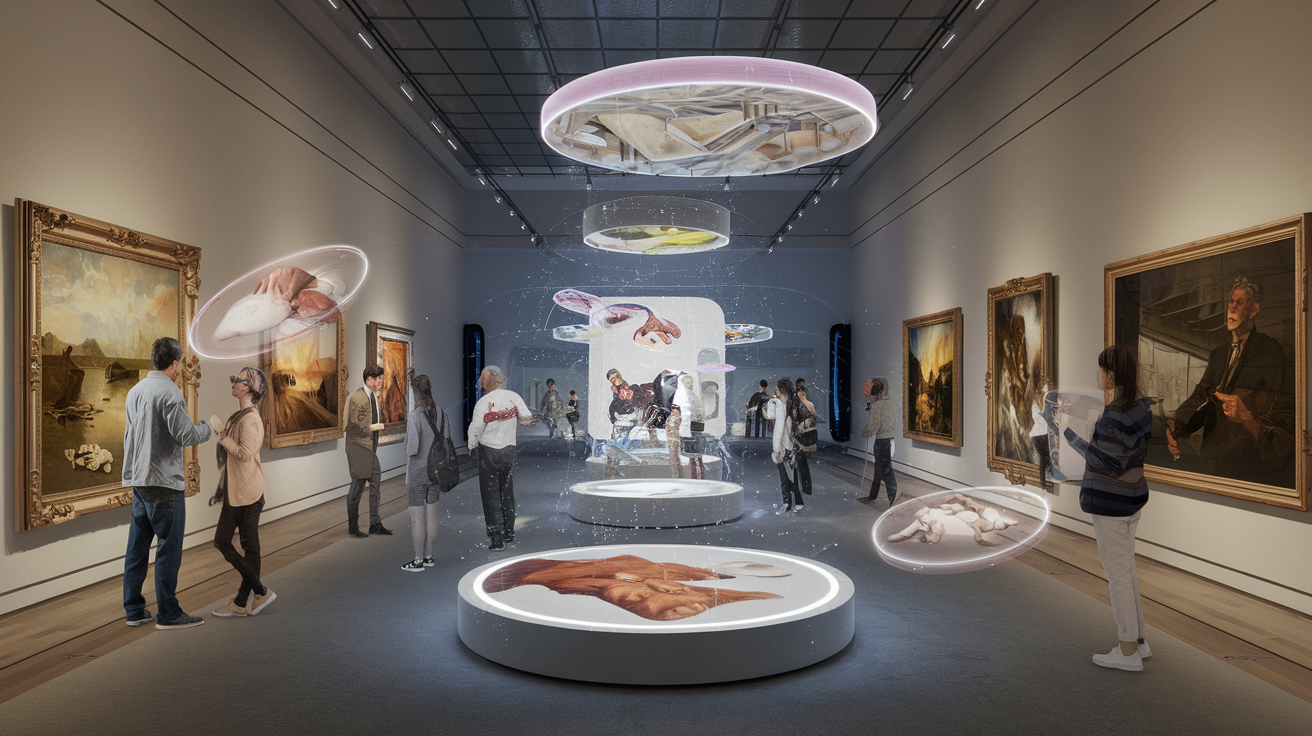
We may see AI tools that can seamlessly integrate text, image, and video creation, offering a more holistic content creation experience.
Improved Contextual Understanding
Future AI systems could have a better understanding of context and nuance, allowing for more sophisticated and culturally aware content creation.
How Businesses Can Leverage AI in Content Creation
For businesses looking to harness the power of AI in their content strategies, here are some practical steps:
Identify Suitable AI Tools
Research and test various AI content creation tools to find ones that align with your specific needs and content types.
Integrate AI into Existing Workflows
Look for ways to incorporate AI tools into your current content creation processes. This could involve using AI for initial drafts or content ideation.
Train Your Team
Ensure your content team is trained in using AI tools effectively. This includes understanding both the capabilities and limitations of these technologies.
Maintain Human Oversight
While AI can be a powerful tool, human creativity and judgment remain crucial. Establish clear processes for reviewing and refining AI-generated content.
Case Studies: AI Content Creation in Action
Let’s look at some real-world examples of how businesses are using AI in their content strategies:
The Washington Post’s Heliograf
The Washington Post has been using its AI system, Heliograf, to generate short reports and updates, particularly for sports and election coverage. This has allowed the publication to dramatically increase its content output without sacrificing quality.
Coca-Cola’s AI-Powered Advertising
Coca-Cola has experimented with AI in its advertising campaigns. In one instance, they used AI to analyse thousands of stock photos and generate new, on-brand images for their ads.
Netflix’s Personalised Thumbnails
Netflix uses AI to create personalised thumbnail images for its content, tailoring the visuals each user sees based on their viewing history and preferences.
The Human Touch in the Age of AI
While AI is undoubtedly changing the content creation landscape, it’s crucial to remember the importance of the human element. AI tools are incredibly powerful, but they lack the emotional intelligence, creativity, and nuanced understanding that human creators bring to the table.
At Social Gains, we believe in harnessing the power of AI while maintaining the irreplaceable value of human insight. Our community focuses on AI tools and automations that are genuinely working for businesses right now, but always with the understanding that these tools are meant to enhance, not replace, human creativity.
The future of content creation lies not in choosing between AI and human creators, but in finding the optimal balance between the two. By leveraging AI for tasks like data analysis, content ideation, and first drafts, human creators can focus their energy on higher-level strategy, emotional resonance, and the kind of creative leaps that AI still struggles to make.
Conclusion: Embracing the AI Revolution in Content Creation
The rise of AI in content creation is not just a passing trend—it’s a fundamental shift in how we approach the creation and distribution of digital content. From generating text and images to personalising user experiences, AI is opening up new possibilities that were once the realm of science fiction.
However, as we navigate this new landscape, it’s crucial to approach AI tools with both enthusiasm and caution. While they offer tremendous potential for increasing efficiency and scaling content production, they also come with challenges that need to be carefully managed.
At Social Gains, we’re excited about the possibilities AI brings to content creation. We’re committed to helping businesses navigate this new terrain, finding ways to leverage AI tools effectively while maintaining the human touch that makes content truly resonate.
As we move forward, the key will be to view AI not as a replacement for human creativity, but as a powerful tool that can amplify and enhance our creative capabilities. By doing so, we can usher in a new era of content creation—one that combines the best of human ingenuity with the power of artificial intelligence.